

Garden Design Elements
These elements are the building blocks of our garden projects. Browse our library and inspire your wildest outdoor dreams! To see these in context, make sure to look over our Garden Portfolio and Ecological Art Portfolio.
Artisanal Stone Work
All of our stonework is dry laid and set, meaning we do not use concrete or mortar. Instead, we use the traditional practice of working with the stones’ natural shapes and features to set them in sand in a patio, pathway, wall, and stairwell. With this technique, the stonework gets stronger as the earth shifts into place, instead of cracking and breaking like rigid concrete.


Bathtub Moon Gardens
Oh my, wait ‘til you soak up the starry night sky in a moon garden! Created with repurposed bathtubs, moon gardens are the ultimate way to connect with nature while conserving: after each soak, your bath water drains into the surrounding plants. A great alternative to hot tubs, they don’t require constant maintenance, chemicals, or electricity. We like to place plants around the tub that reach peak fragrance at night to create a special ambiance.


Edible Gardens
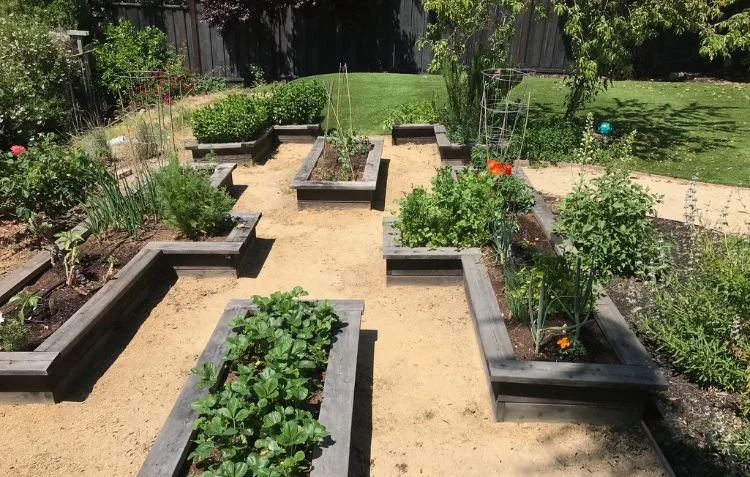
Edible gardens create opportunities to grow your own food and medicine, fueling culinary adventures and greater self-sufficiency. We can integrate edible gardens into our designs in multiple ways: mixing within other plants, creating separate raised veggies beds, or even creating dynamic food forests with fruit trees, berries, herbs, medicinals, and pollinators.


Drought-tolerant Meadows
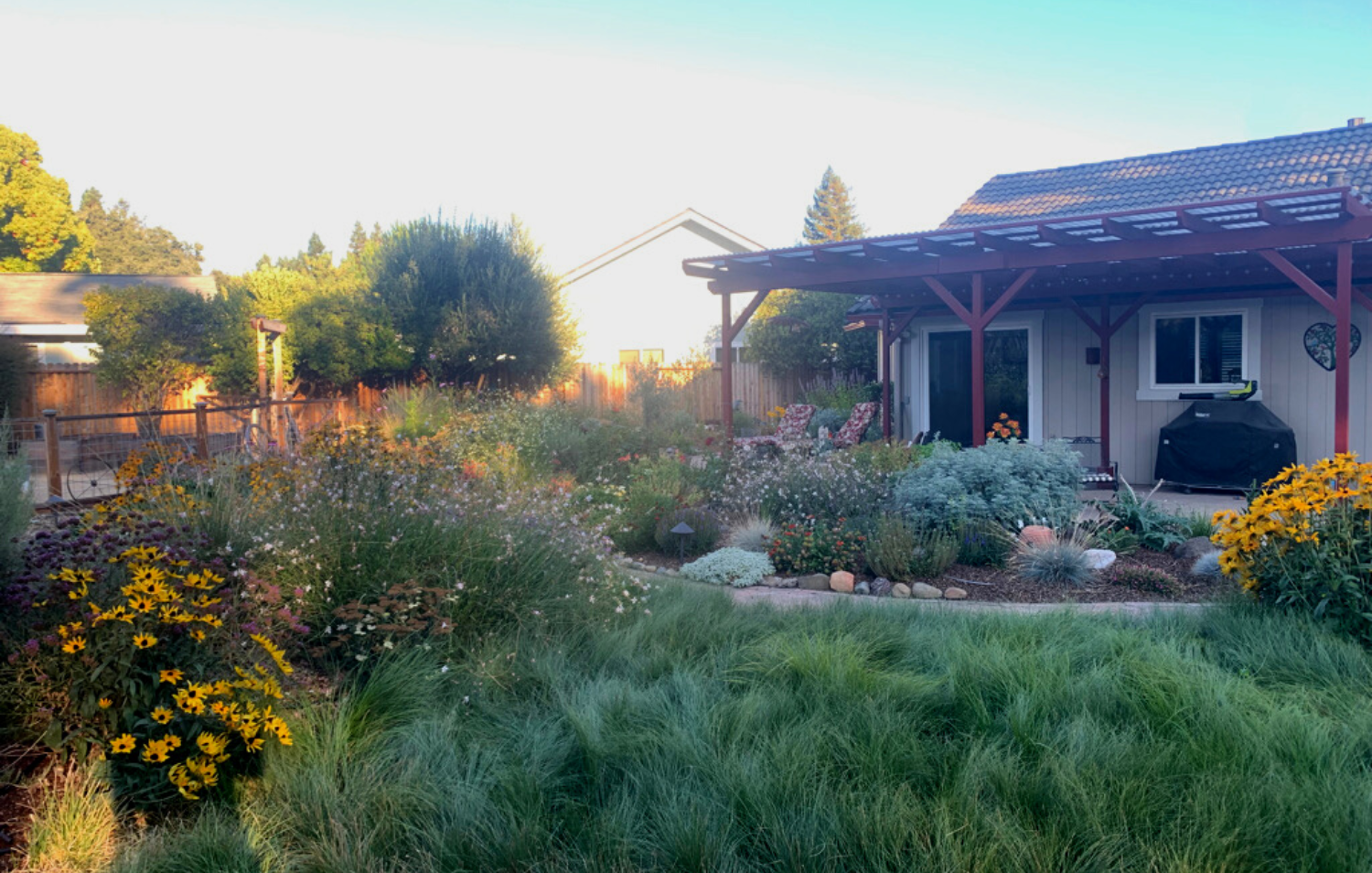
Native meadows created with wildflowers and grasses are a wonderful alternative to traditional lawns that require tons of water, fertilizer, and maintenance. Besides using 30% less water than sod, native meadows can be evergreen, only need to be mowed once or twice a year, and are durable for foot traffic and play. Who doesn’t dream of a meadow for afternoon naps, lounges, and picnics?


Living Willow Fences + Sculptures
Willow is a quick-growing shrub/tree that can quickly root into the ground. We like it for its strength, durability, and tendency to leaf out into a cool green structure. Artistically woven fences, dome shelters, and sculptures can be better for outdoor spaces than traditional wood structures because they offer a sustainable alternative, create habitats for living creatures, and have a “coolness” factor that other materials can’t replicate.


Living Walls
Living walls are functional design elements that can also stand as pieces of art. Created using vertical cell blocks, we curate a vibrant mixture of colorful plants, ferns, and grasses to create swathes of patterns and colors that complement your space. These are perfect in front of fences and large retaining walls or behind large fountain pieces and other focal areas.


Greenhouses
Greenhouses offer a great place to start seeds and grow food + plants all year round, especially in coastal climates and the San Francisco Bay Area. More than just growing plants, they can also be magical building extensions, perfect for cozy afternoon book reading or morning coffee sits. We strive to reuse as many materials as possible in our buildings.


Lighting
Illuminate your garden into a dynamic piece of night-time art with carefully placed lighting. We’ll design your lights to accentuate trees, shrubs, and sculptures—while safely lighting patios and pathways— creating incredible shadows and shapes after dark. Extend your backyard time well into the evening and add a beautiful, welcoming glow to your front yard at night. We use low-voltage LED lights.


Pollinator Gardens
Pollinator gardens provide vital nectars and habitats for bees, butterflies, moths, and other insects. Besides providing colorful blooms all year round, gardens with pollinator plants are well-adapted to this climate, making them drought-tolerant. We specifically focus on creating gardens with native plants because they provide the food that native pollinators need to thrive.


Repurposed Materials
We strive to repurpose as many materials on-site as possible to benefit the earth, our clients, and ourselves. When we reuse materials, we save space in our landfills, save the cost of buying something new, and save on gas by cutting trips to the store or dump. We often break up old concrete patios or pathways and reshape the pieces into modern-looking flagstones, called “urbanite,” that we then set into new pathways. We can even stain the concrete pieces to create a specific look. Other materials we commonly reuse include wood, rocks, and stone, as well as existing structures and art.


